



Fast Electrical Diagnostics For Your Home
When something electrical is not working the way it should, guessing is not enough. Gleam provides residential electrical diagnostics and troubleshooting to identify the source of the problem, explain what is happening, and help restore safe, reliable power throughout your home.
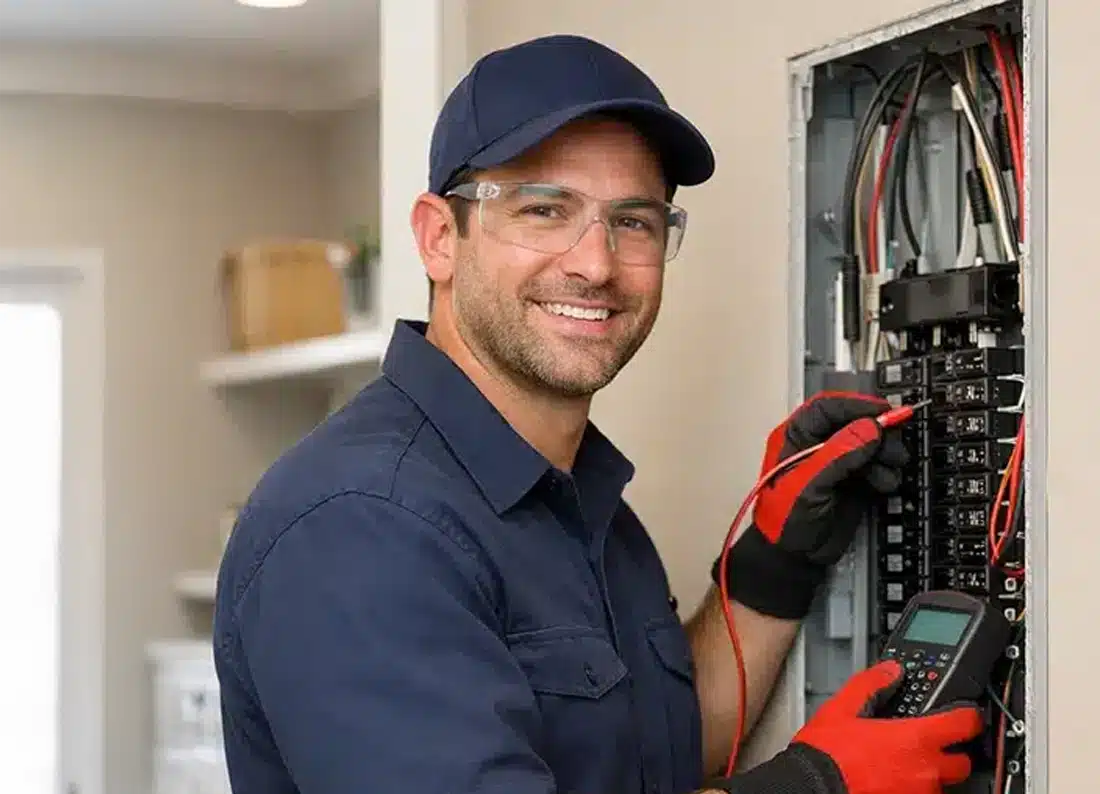
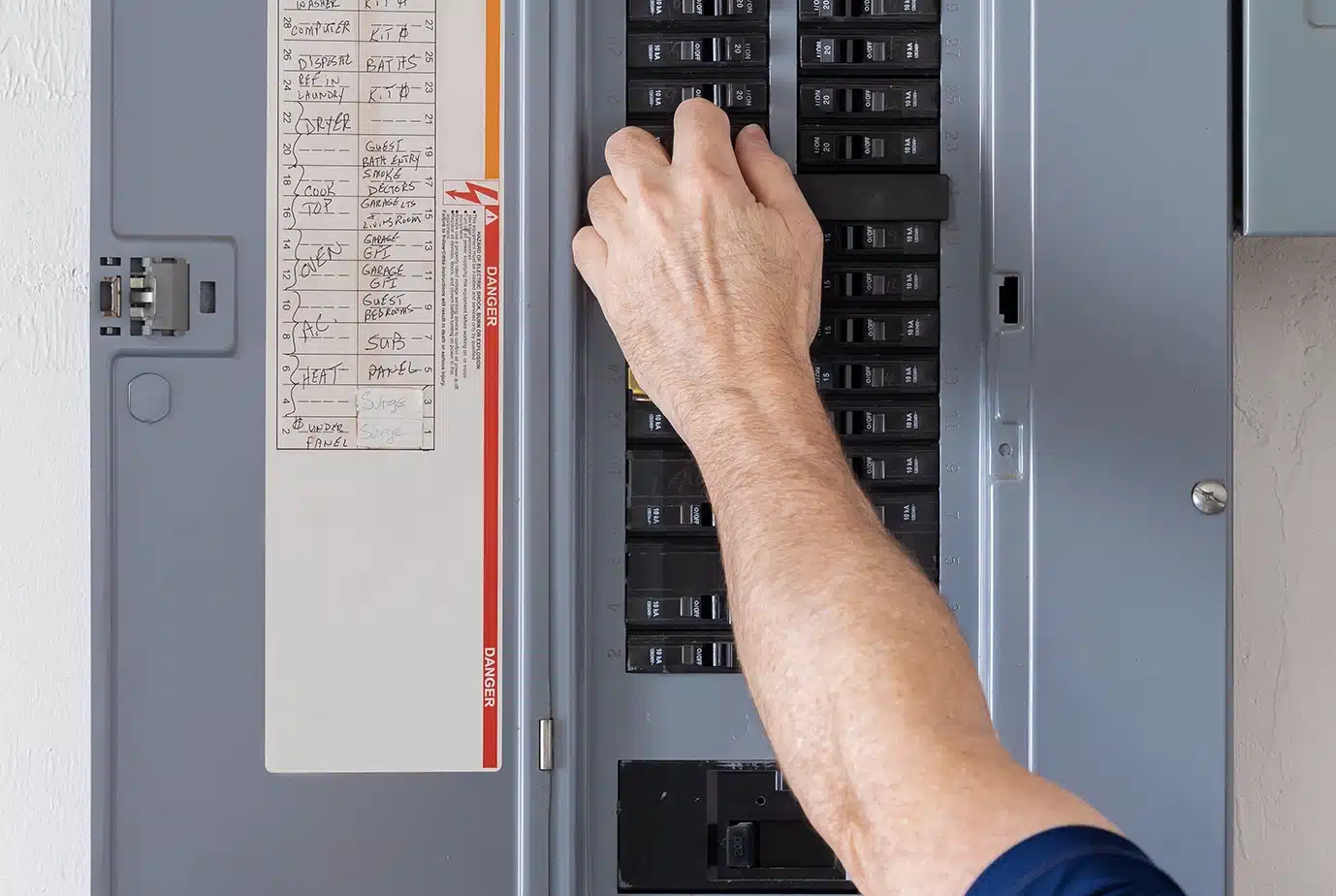
Residential Electrical Diagnostics & Troubleshooting
Electrical issues can show up in many ways, including flickering lights, outlets that stop working, breakers that trip repeatedly, or parts of the home losing power unexpectedly. Gleam performs residential electrical diagnostics to identify the issue, evaluate possible causes, and recommend the right path to restore safe performance.
Troubleshooting for outlets, switches, breakers, and fixtures
Diagnostic testing for power loss and inconsistent electrical performance
Evaluation of recurring electrical issues
Clear explanation of findings and next steps
Safety-focused approach to identifying the problem
Service for a wide range of residential electrical concerns
Signs You May Need Electrical Diagnostics
Some electrical issues are obvious. Others are intermittent and harder to trace. A professional diagnostic visit helps identify the cause before the problem worsens.

Flickering or Dimming Lights
Lighting changes may point to wiring, fixture, circuit, or load-related issues.
Breakers That Trip Repeatedly
Repeated breaker trips may indicate overloads, faults, or deeper electrical problems.
Outlets or Switches Not Working
Dead or unreliable outlets and switches should be tested to determine the cause.
Partial Power Loss
If part of your home loses power while the rest remains on, the issue needs proper diagnosis.
Burning Smells or Warm Devices
Heat, odor, or discoloration around outlets or switches should be addressed quickly.
Unexplained Electrical Behavior
Buzzing, inconsistent performance, or unusual power issues may signal a hidden fault.
Why Professional Troubleshooting Is Better Than Guesswork
DIY Guessing
- Repairs symptoms instead of causes
- Can overlook safety concerns
- Often leads to repeated issues
- Limited ability to test properly
Professional Electrical Diagnostics
- Identifies root causes
- Uses structured testing and evaluation
- Supports safer, more accurate repair planning
- Gives homeowners clearer answers
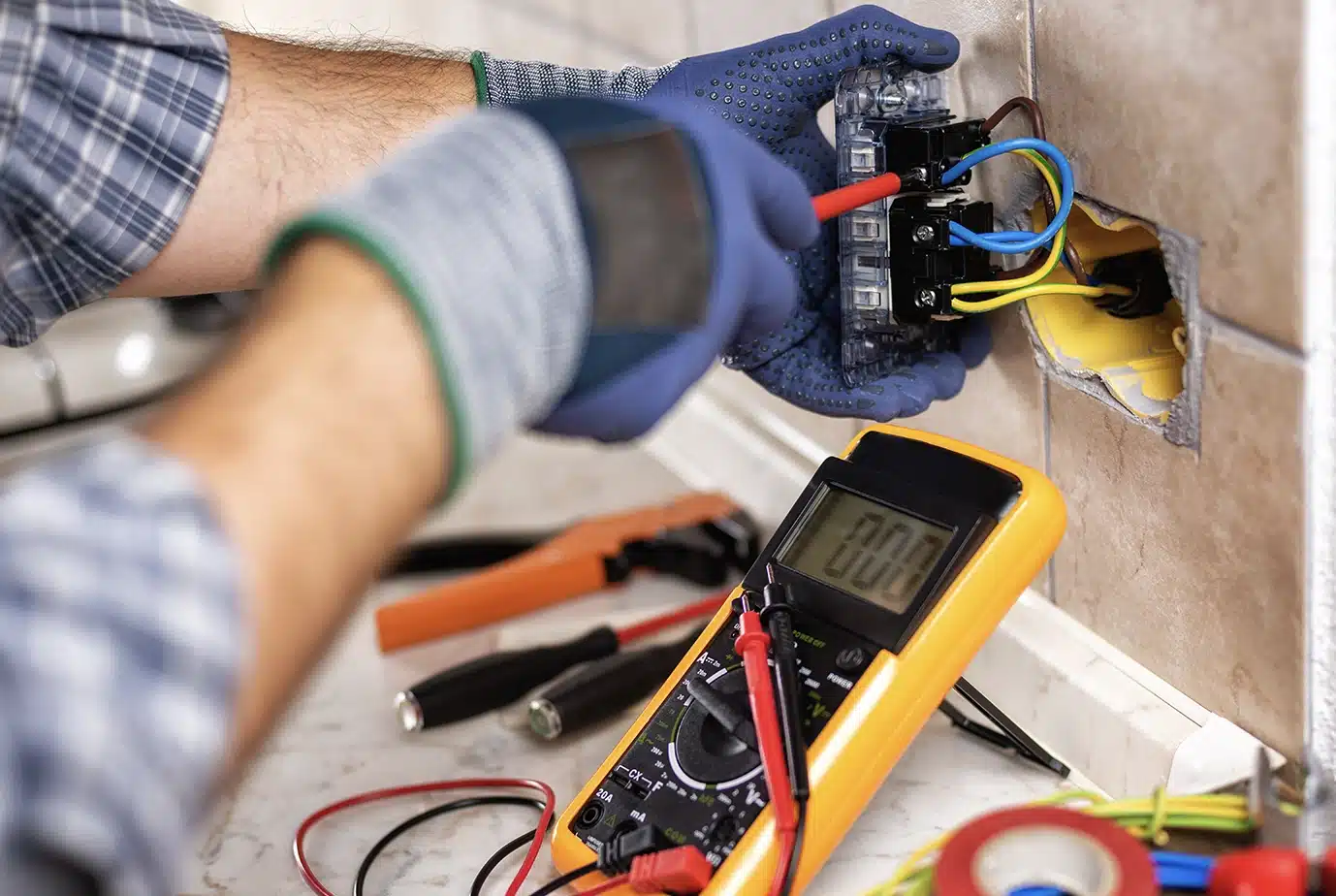
The Gleam Difference in Electrical Diagnostics
Accurate Problem Identification
Safer Troubleshooting
Clear Recommendations
Less Trial and Error
Protection for Your Home
Trusted Professional Support
Our Process for Residential Electrical Diagnostics

Listen to the Problem
We start by understanding what you are experiencing, including when the issue happens and how often.

Inspect and Test
We evaluate the affected area and perform diagnostic testing to identify likely causes.

Explain the Findings
We walk you through what we found and answer your questions clearly.

Recommend Next Steps
We outline the safest and most effective path to restore proper electrical performance.
Your residential electrical diagnostics questions, simplified
When something in your home’s electrical system doesn’t feel right, a clear diagnosis matters. Here are answers to common questions homeowners ask about finding the cause, understanding their options, and getting the issue resolved safely.
What is residential electrical diagnostics?
Residential electrical diagnostics is the process of identifying the real cause of an electrical issue in your home. Instead of guessing or applying a temporary fix, the goal is to test, inspect, and troubleshoot the system so you know what’s happening, why it’s happening, and what it will take to correct it safely.
What kinds of problems usually require electrical diagnostics?
Diagnostics are helpful any time something is inconsistent, unexplained, or no longer working the way it should. Common examples include flickering lights, tripped breakers, outlets that stop working, burning smells, buzzing sounds, switches that feel hot, partial power loss, or lights dimming when appliances turn on.
Why is diagnostics important instead of just fixing the symptom?
A symptom is not always the actual problem. A breaker that keeps tripping or an outlet that stops working may point to a deeper issue somewhere else in the circuit. Proper diagnostics helps uncover the root cause, reduce repeat problems, and lower the risk of hidden hazards being left behind.
Will you explain what you find before any repair work is done?
Yes. Homeowners want clarity, not contractor fog. After diagnosing the issue, the next step should be a straightforward explanation of what was found, why it matters, and what repair options make sense. That way, you can make a confident decision without feeling pressured.
Can the problem be fixed the same day?
In many cases, yes. If the issue is straightforward and the repair can be completed safely during the visit, it may be possible to handle it right away. If the problem is more complex, you should still expect a clear explanation, recommended next steps, and a plan for completing the work correctly.
When should I schedule diagnostics instead of waiting?
Get Answers and Plan the Right Electrical Service
If something in your home is not working properly, Gleam can identify the issue and guide the next step with professional residential electrical diagnostics and troubleshooting.
If testing shows that an appliance or high-demand device needs its own circuit, learn about dedicated circuit installation. Planning to charge an electric vehicle at home? Explore our residential EV charger installation service.